
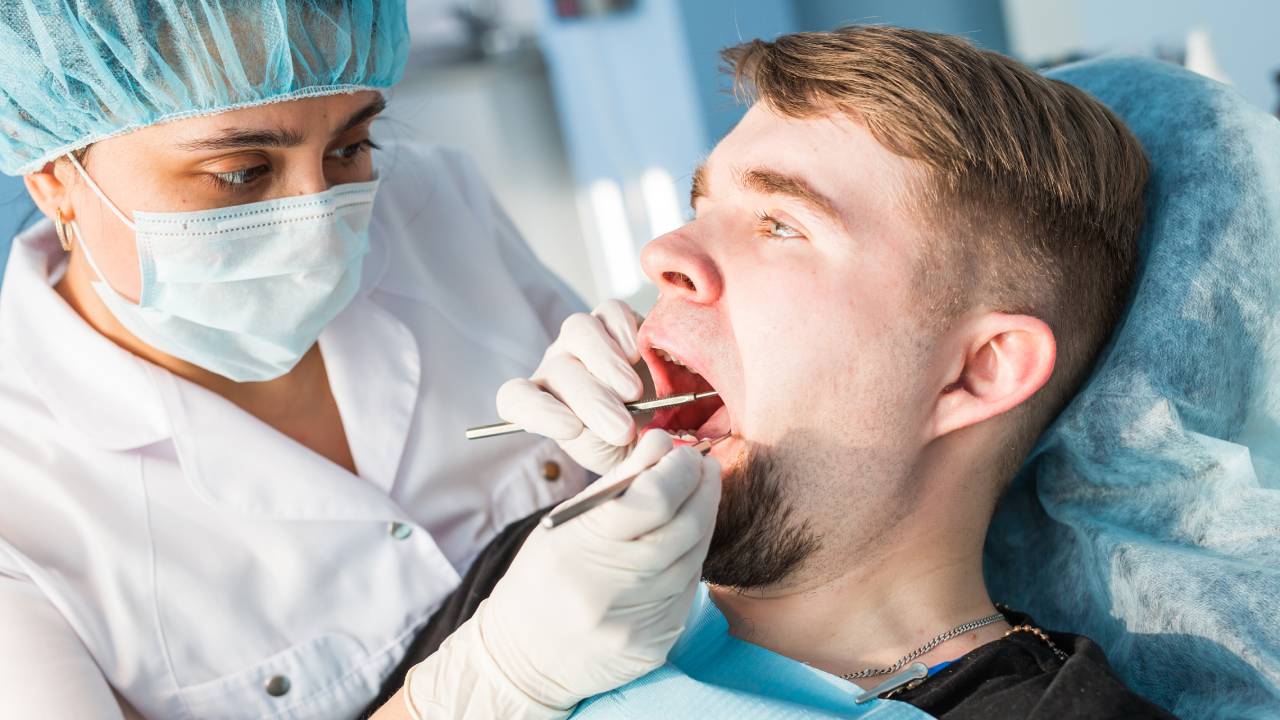
Dental emergencies don’t follow a schedule, and a tooth that needs to come out today cannot wait until next week. If you’re searching for an emergency tooth extraction same day, here’s exactly what to expect from the moment you call to the moment you leave the chair.
When a Tooth Cannot Wait
According to the American Dental Association, more than 2 million people visit emergency rooms annually for dental pain, and the vast majority of those visits involve conditions that a same-day extraction would have resolved faster and more effectively. The hard truth: waiting worsens outcomes. An abscess that sits untreated for even 24 to 48 hours can spread infection into the jaw, neck, and airway, turning a manageable extraction into a medical emergency.
If you’re in pain right now, call a Raleigh emergency dental office this morning. Not tonight. Not after the weekend. The same morning symptoms spike.
Signs You Need a Same-Day Extraction
Four indicators separate “monitor this” from “go today.” First, pain that doesn’t respond to ibuprofen or acetaminophen after two doses is a red flag. Over-the-counter medication is meant to manage mild inflammation, not mask an acute infection. Second, a visible abscess, gum boil, or swelling spreading toward the jaw or neck means infection is already moving. A 2018 study in the Journal of Endodontics found that delayed treatment of periapical abscesses significantly increased the likelihood of systemic spread and hospitalization.
Third, a tooth broken below the gumline has no restorable structure and cannot be saved with a crown or filling. Fourth, severe decay that has destroyed the clinical crown leaves no viable foundation for restoration. If any of these describe your situation, same-day extraction is the appropriate path. If swelling is crossing your jaw or moving toward your throat, go same-day without delay. That particular symptom does not wait.
Why Same-Day Appointments Are Available
Emergency dental slots exist for exactly this reason. Practices that handle acute care reserve time specifically for same-day extractions because oral infections operate on a timeline that scheduled appointments don’t accommodate. The ADA notes that untreated dental infections can become systemic within 24 to 72 hours in patients with compromised immune function or uncontrolled diabetes, and spreading cellulitis has been documented in otherwise healthy patients within the same window.
When you call, use two specific words: “dental emergency.” Then describe swelling or uncontrolled pain. Those details move you to same-day triage immediately. If you’re looking for urgent dental care in the Triangle area, stating your symptoms clearly on the phone is the fastest way to get a same-day slot confirmed.
What Happens During the Appointment
The appointment follows a predictable sequence, and knowing it in advance takes away a significant amount of chair anxiety. You arrive, check in, and move almost immediately to an exam room. A focused clinical exam and digital X-ray take roughly 10 to 15 minutes. The dentist reviews the X-ray, confirms the diagnosis, and discusses the extraction plan with you before anything begins. A 2020 clinical review in the British Dental Journal found that patients who received a brief verbal walkthrough of extraction procedures reported significantly lower anxiety and higher satisfaction scores than those who did not.
From first X-ray to leaving the chair, most same-day extractions are completed in under an hour.
Sedation and Pain Management Options
Dental anxiety is one of the primary reasons patients delay care and arrive in worse condition than necessary. Standard local anesthesia numbs the site completely and is used for the majority of extractions. If anxiety is a factor, nitrous oxide is fast-acting, wears off within minutes of removal, and doesn’t require a driver. Oral conscious sedation keeps you relaxed and responsive but does require someone to drive you home, so plan for that in advance.
A 2019 study in the Journal of Dental Research found that patients who received pre-procedural information about sedation options reported 34% lower anxiety levels during the procedure itself. The action here is simple: when booking, ask specifically what sedation options are available. Arriving prepared removes the element of surprise.
What the Dentist Assesses Before Extracting
Before the extraction begins, the dentist reviews your X-ray to assess root shape, root count, and proximity to the inferior alveolar nerve. Medical history matters here too: blood thinners, bisphosphonate medications, and certain heart conditions affect the extraction protocol directly. This assessment is not a formality. A dentist who completes this step properly finishes faster and with fewer complications than one who skips it. Bring a written list of every current medication to your appointment. That single step removes the most common source of appointment delays.
The Recovery Timeline: First 72 Hours
Recovery follows four predictable phases. In the first hour, a blood clot forms in the socket. That clot is your primary healing mechanism, and everything you do in the first 72 hours is designed to protect it. Swelling peaks between 24 and 48 hours post-extraction, then begins to taper. Discomfort follows the same arc, reducing noticeably by the end of day three. Soft tissue closure begins within the first week.
A study published in Oral Surgery, Oral Medicine, Oral Pathology found that dry socket affects roughly 2 to 5% of all extractions, with rates rising significantly in smokers and patients who use straws in the first 48 hours. When you leave the office, set a phone timer for 45 minutes. Keep firm pressure on the gauze for that entire window without checking or changing it. That is the single most effective thing you do in the first hour.
What to Eat and Avoid
For the first 72 hours, soft foods only: yogurt, applesauce, mashed potatoes, broth. No straws, no alcohol, no smoking. The reason is mechanical: suction and heat disrupt the clot that is actively healing the extraction site. Disrupting the clot is how dry socket happens, and dry socket is significantly more painful than the extraction itself.
Before you leave the parking lot after your appointment, stop at a grocery store. Pick up yogurt, applesauce, and broth while the anesthesia is still active. Do not wait until it wears off to figure out what you’re eating.
Warning Signs That Require a Follow-Up Call
Normal post-extraction soreness is predictable: it peaks around day two and tapers by day three. These symptoms are not normal and require an immediate call to your dental office: fever above 101°F, swelling that gets worse after the second day rather than better, bleeding that soaks through fresh gauze after 90 minutes of steady pressure, and severe pain that appears on day three after feeling mostly fine on days one and two. That last pattern is the classic dry socket presentation.
For more detail on identifying when dental symptoms cross into emergency territory, it helps to know the red flags before you’re trying to assess them in pain. Save the dental office phone number in your contacts before you leave the appointment. You will not want to search for it at midnight on day three.
Replacing the Tooth After Extraction
The extraction resolves the emergency. What comes next protects everything around it. Research published in the Journal of Oral and Maxillofacial Surgery documents measurable alveolar bone loss beginning within the first three months following extraction, with the most significant resorption occurring in the first six to eight weeks. That bone supports your adjacent teeth. Losing it changes your bite over time.
The three replacement options are a dental implant, a fixed bridge, and a removable partial denture. Implants are the gold standard for preserving bone and function, but they require a healing period before placement in most cases. Some presentations qualify for immediate implant placement at the time of extraction, which collapses the timeline considerably. A bridge is faster but requires reducing the adjacent healthy teeth. A partial denture is the most affordable short-term solution but does nothing to prevent bone loss.
Ask about implant timing at the same appointment where the extraction is discussed. In some cases, getting that conversation started the same day changes your options significantly.
Act on This Today
If you have a tooth that’s been hurting for days, or you woke up this morning with swelling you can feel, call a Raleigh emergency dental office right now and say “same-day emergency extraction.” That phrase gets you triaged immediately. Pain that has reached this level does not improve on its own, and recognizing the signs of a spreading dental abscess early is the difference between a straightforward extraction and a far more complicated situation. One call today changes what tomorrow looks like.